Jul 01
Archive
Reading a Ledger You Kept Two Years Ago
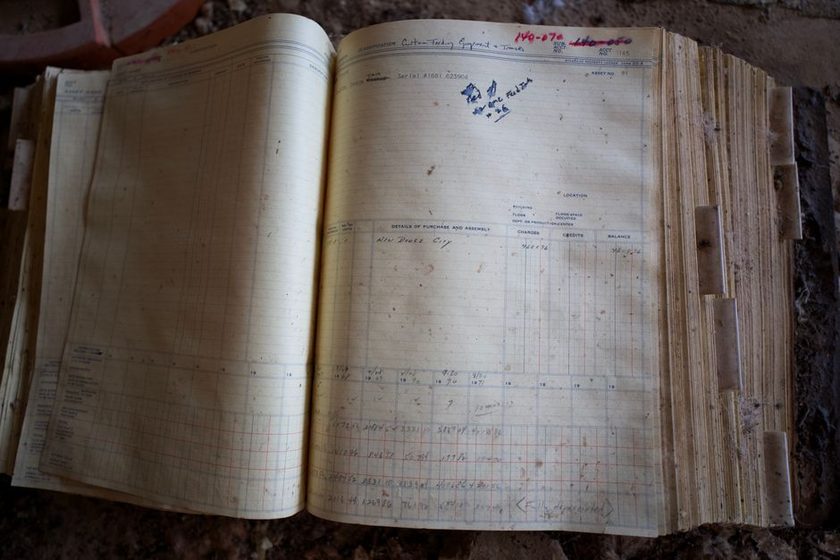
A closed book is only useful if the entries still explain themselves without you.
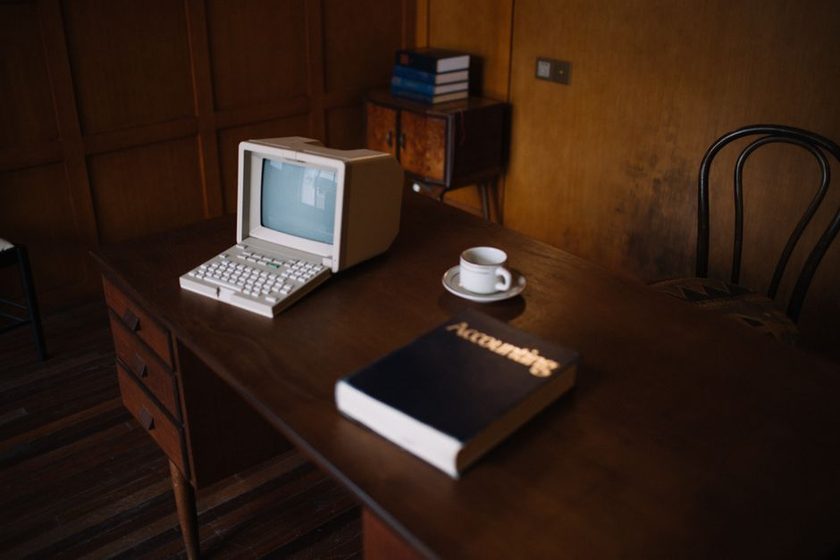
A working journal on double columns, monthly closes, and the small habits that make a paper ledger easy to trust — written from an actual kitchen-table notebook, not a spreadsheet template.
A closed book is only useful if the entries still explain themselves without you.

Context belongs beside the number, not folded into it.
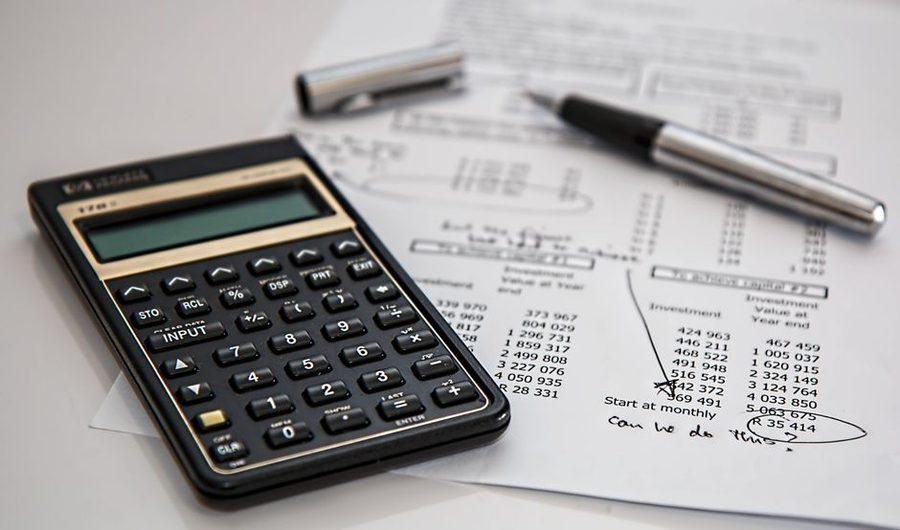
A shared notebook needs a few written rules before it needs more columns.

A short list of durable headings outlasts a long list of specific ones.
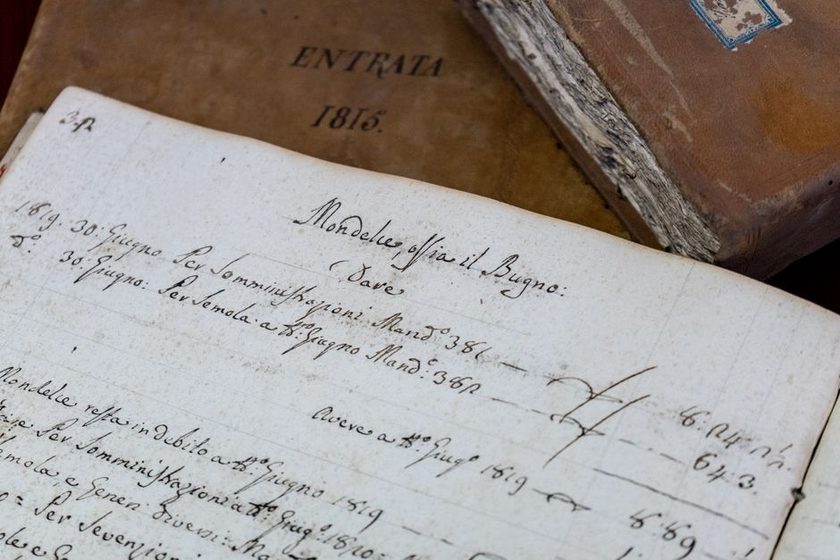
Countinghouse habits from centuries ago still decide how a notebook page is ruled today.
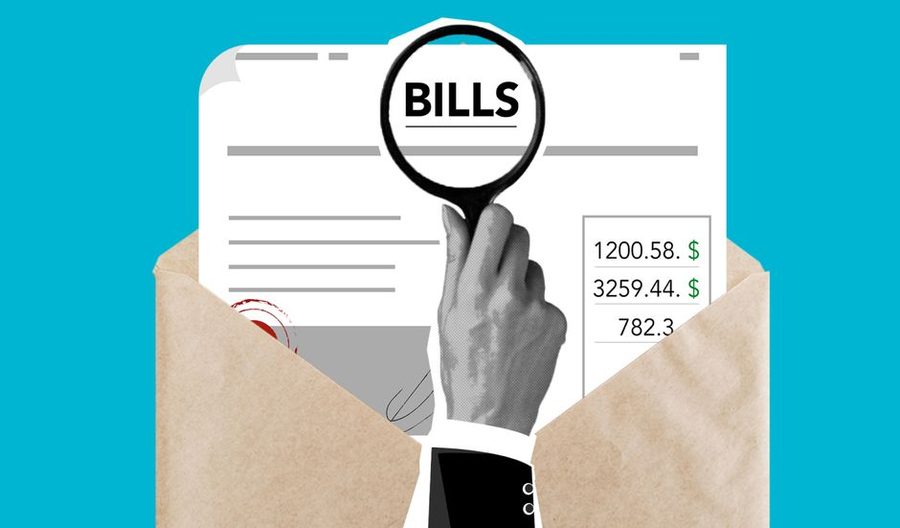
One household's slow move from labeled envelopes to a bound ledger, and what stayed the same.

Crossing out a mistake in ink, with initials and a date, tells a more honest story than an eraser.

A short, repeatable sequence beats an occasional marathon session with a shoebox of receipts.
A running balance next to a plain list turns a typo into a visible gap the same afternoon.
Everything on this site works from a paper ledger and nothing more. For readers who want the same double-column habit on a phone between paper sessions, we keep a small companion app called Column Book.
Column Book mirrors the same two-column habit — an entry column and a running balance — so a reader can jot something down between paper sessions and copy it into the book later.
Ledgerline is written by a small group of people who keep their household accounts by hand and compare notes on method. Nothing here is sold, and none of it is financial advice for your particular situation — it is a record of what has worked, and sometimes not worked, at one kitchen table. Read more on the About page, or start with the Glossary for the terms used throughout the journal.